Unlicensed “Lady’s Driver” Services Detected in Perlis
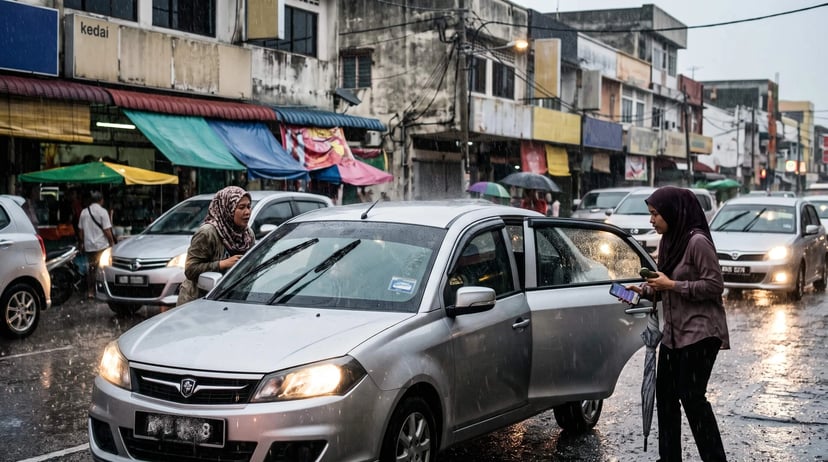
Two “Lady’s Driver” services offering paid transport exclusively to women have been detected by the Perlis Road Transport Department (JPJ). The services were promoted on social media without the required licence or authorisation, with JPJ warning about legal, safety and insurance concerns.
Table of Contents
Key takeaways
- Perlis JPJ detected two unlicensed “Lady’s Driver” services offering paid transport to female passengers.
- The services were promoted through social media platforms including Telegram and Threads.
- JPJ said using a private vehicle to carry passengers for payment without the necessary authorisation is an offence under Section 23(2) of the Road Transport Act 1987.
- Perlis JPJ issued 31 notices for various offences linked to unlicensed public transport activities between January and October 2026.
- Fourteen vehicles were seized during the same period, while court prosecutions resulted in RM14,000 in fines.
What are the “Lady’s Driver” services?
The “Lady’s Driver” services refer to women offering paid transport services exclusively to female passengers. According to JPJ, the services were promoted through platforms such as Telegram and Threads.
The services involved transporting female passengers to destinations including hospitals, shopping malls and relatives’ homes in exchange for payment.
However, JPJ said the services did not have the required licence or authorisation to provide passenger transport services.
Expert tip: Before paying for a private transport service, check whether the operator is properly licensed and authorised. This can help reduce potential issues involving passenger protection and insurance.
Why did JPJ take action?
Perlis JPJ classified the activities as similar to “prebet sapu”, referring to unlicensed taxi or passenger transport services.
JPJ said the cases were detected through monitoring of social media advertisements, as well as complaints from members of the public and licensed e-hailing operators.
According to Perlis JPJ director Noraini Mohd Nawi, providing passenger transport without a valid licence not only breaches the law but can also affect passengers’ safety and interests.
She specifically highlighted concerns involving insurance coverage, welfare and security.
Common mistake: Assuming that a transport service is automatically legal because it is advertised openly on social media. An online advertisement does not by itself confirm that the operator has the required transport licence or authorisation.
What does the law say?
JPJ said using a private vehicle to transport passengers for payment without the necessary authorisation constitutes misuse of a Motor Vehicle Licence (LKM).
The offence falls under Section 23(2) of the Road Transport Act 1987.
This means that offering the service exclusively to women does not remove the requirement to comply with applicable transport laws and licensing requirements.
The issue is therefore not simply whether the service is intended for female passengers, but whether the vehicle and operator have the necessary legal authorisation to provide paid passenger transport.
JPJ’s enforcement against unlicensed services
Perlis JPJ said it issued 31 notices for various offences involving unlicensed public transport activities between January and October 2026.
During the same period, 14 vehicles were seized for further action.
JPJ also said court prosecutions involving these offences resulted in fines totalling RM14,000 during the period.
The enforcement highlights that authorities are monitoring both traditional enforcement channels and online platforms where unlicensed passenger transport services may be promoted.
What passengers should know
Passengers should not assume that a service is authorised simply because it provides a convenient alternative to conventional e-hailing services.
For paid passenger transport, licensing and authorisation are important because they can affect the legal status of the service as well as matters such as insurance protection and passenger safety.
JPJ’s latest action in Perlis also shows that social media advertisements can attract regulatory attention when they involve potentially unlicensed transport activities.
Frequently Asked Questions
1. What are “Lady’s Driver” services?
They are paid transport services offered by women specifically to female passengers. In the Perlis cases, the services were promoted through social media.
2. Where were the unlicensed services detected?
The two cases were detected in Perlis by the state Road Transport Department (JPJ).
3. Where were the services advertised?
JPJ said the services were promoted on social media platforms including Telegram and Threads.
4. Are the services considered legal because they only transport women?
No. JPJ said providing paid passenger transport without the required licence or authorisation is an offence regardless of the passengers being exclusively female.
5. What law applies to the activity?
JPJ said using a private vehicle to transport passengers for payment without the necessary authorisation is an offence under Section 23(2) of the Road Transport Act 1987.
6. Why is JPJ concerned about these services?
JPJ said unlicensed passenger transport can affect passengers’ safety and interests, including insurance coverage, welfare and security.
7. How did JPJ detect the services?
The activities were detected through social media monitoring, public complaints and information from licensed e-hailing operators.
8. How many vehicles were seized by Perlis JPJ for related unlicensed transport offences?
Perlis JPJ said 14 vehicles were seized between January and October 2026 in enforcement against various offences involving unlicensed public transport activities.
9. How much in fines resulted from court prosecutions?
JPJ said court prosecutions during January to October 2026 resulted in fines totalling RM14,000.
10. What should passengers check before using a paid transport service?
Passengers should consider whether the operator is properly licensed and authorised, particularly when the service is offered privately through social media.
Conclusion
The detection of two unlicensed “Lady’s Driver” services in Perlis serves as a reminder that paid passenger transport services must comply with applicable licensing requirements. While the services may be marketed as a women-only option, JPJ said operators still need the necessary authorisation to legally carry passengers for payment.
For drivers and passengers alike, checking the legal status of a transport service can help avoid unnecessary safety, insurance and enforcement concerns.
Motorist helps drivers stay informed about vehicle ownership, road rules and the latest developments affecting Malaysian motorists.
Read More: [Relevant recent Motorist article title]
I want to find the highest selling price for my car within 24 hours!
Download the Motorist App now. Designed by drivers for drivers, this all-in-one app lets you receive the latest traffic updates, access live traffic cameras, and manage vehicle-related matters.


