Malaysia to Get 1,389 New Ambulances After Failed Supply Deal
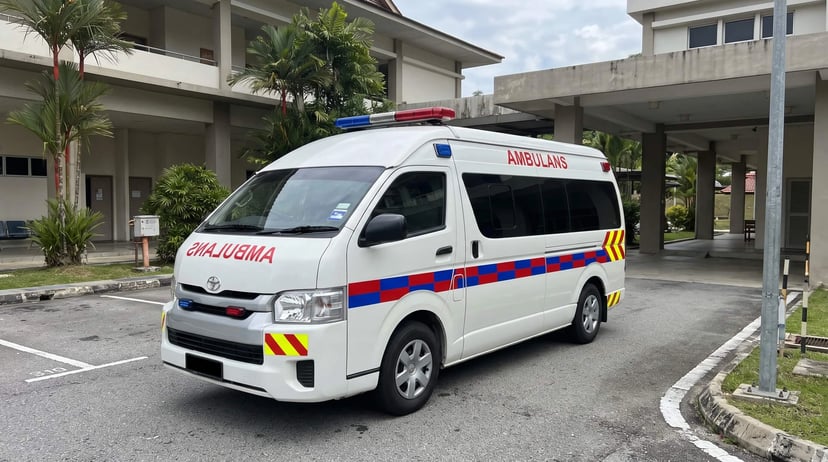
Malaysia’s Health Ministry is set to procure 1,389 new ambulances after a previous supplier delivered only 115 of the 590 units required under a 2022 contract. The new procurement will be divided among six suppliers, with deliveries expected in stages.
Table of Contents
Key takeaways
- Malaysia’s Health Ministry is expected to receive 1,389 new ambulances.
- The previous contract required 590 ambulances, but only 115 were supplied before the contract ended in November 2024.
- The new procurement covers 989 ambulances, while another 400 have been approved under Budget 2027.
- The 989-unit procurement will be divided among six suppliers instead of relying on a single supplier.
- Drivers should always give way safely to ambulances responding to emergencies.
Why is Malaysia procuring 1,389 new ambulances?
The Health Ministry is procuring 1,389 new ambulances to help address shortages at healthcare facilities nationwide and strengthen emergency response capacity.
Health Minister Datuk Seri Dr Dzulkefly Ahmad said the ministry is currently in the final stages of procuring 989 ambulances. The government has also approved another 400 ambulances under Budget 2027, bringing the total to 1,389 units.
The 989-unit procurement is expected to be delivered in stages after the supplier appointments are finalised in December 2026. The reported procurement details state that the new approach is intended to reduce reliance on a single supplier.
Expert tip: Drivers should treat an approaching ambulance as a road-safety priority. Check your mirrors regularly so you can react smoothly instead of making a sudden lane change when you hear a siren.
What happened to the previous ambulance contract?
The previous ambulance contract was awarded in 2022 and required the Health Ministry to receive 590 new ambulances by the end of 2024.
However, the appointed supplier delivered only 115 ambulances before the contract expired in November 2024. The ministry subsequently decided not to renew the contract after the supply requirements were not met.
The ministry then realigned its existing allocation and secured additional funding for a new ambulance procurement contract. The Health Minister said the government did not want to continue with an arrangement that had failed to meet the required supply.
The parliamentary record confirms that the ministry is now moving forward with a new procurement involving multiple suppliers, while an additional 400 ambulances have been approved under Budget 2027. The Dewan Rakyat record provides the minister’s statement on the procurement.
Common mistake: Assuming that the full 1,389 ambulances are already available. The units are part of a new procurement programme, with the 989-unit supplier appointment expected to be finalised in December 2026 and deliveries taking place in stages.
How will the new ambulance procurement work?
The new procurement will take a different approach from the previous arrangement. Instead of depending on one supplier, the 989-unit procurement will be divided among six suppliers.
According to the Health Ministry, supplier appointments are expected to be finalised in December 2026, after which the 989 ambulances will be delivered in stages.
The remaining 400 ambulances are separate units approved under Budget 2027. Together, these two allocations will bring the expected total to 1,389 new ambulances.
The move towards multiple suppliers is intended to reduce dependence on a single provider. The Health Minister said the government did not want to put all its requirements with one supplier.
What does this mean for Malaysian road users?
For motorists, the procurement is relevant because ambulances are part of Malaysia’s emergency response system. More available ambulances could help strengthen emergency services, although the procurement itself does not guarantee specific response times or outcomes.
Drivers should continue to remain alert for emergency vehicles, particularly on congested roads and at junctions. When an ambulance approaches with its warning signals activated, motorists should create a safe path where possible without making dangerous or sudden manoeuvres.
Police have previously stressed that emergency vehicles must also operate safely and assess road conditions before proceeding through intersections or other potentially hazardous situations. Road users are required to give way to emergency vehicles carrying out official duties.
For drivers who want a refresher on staying safe around emergency vehicles and breakdown situations, Motorist also provides guidance on using the emergency lane appropriately and keeping clear of areas needed by emergency responders.
What should drivers do when an ambulance approaches?
Stay calm and check your mirrors
Do not panic when you hear an ambulance siren. Check your mirrors and identify where the ambulance is coming from before deciding how to move.
Create a safe path
If conditions allow, move aside or adjust your position to provide a clear route. Avoid sudden braking or abrupt lane changes that could create another hazard.
Do not block emergency access
Avoid stopping in positions that prevent an ambulance from passing, particularly near junctions, emergency access routes and congested road sections.
Keep a safe distance
Do not follow closely behind an ambulance simply because it has created a path through traffic. Emergency vehicles may brake, change lanes or stop unexpectedly.
Follow traffic conditions and instructions
Giving way does not mean making an unsafe manoeuvre. Drivers should prioritise road safety while creating space for the ambulance whenever it can be done safely.
Frequently Asked Questions
1. How many new ambulances will Malaysia receive?
The Health Ministry is expected to receive 1,389 new ambulances, comprising 989 units under the current procurement and another 400 approved under Budget 2027.
2. Why does Malaysia need more ambulances?
The procurement is intended to address ambulance shortages at healthcare facilities nationwide and strengthen emergency response capacity.
3. How many ambulances were delivered under the previous contract?
Only 115 of the 590 ambulances required under the previous contract were delivered before it expired in November 2024.
4. When was the previous ambulance contract awarded?
The previous contract was awarded in 2022 and required the ambulances to be delivered by the end of 2024.
5. Will the new ambulances come from one supplier?
No. The 989-unit procurement will be divided among six suppliers instead of relying on a single supplier.
6. When will the new ambulance suppliers be appointed?
The supplier appointments for the 989-unit procurement are expected to be finalised in December 2026.
7. Will all 1,389 ambulances arrive at the same time?
No. The 989 ambulances are expected to be delivered in stages, while the additional 400 units are part of the allocation approved under Budget 2027.
8. What should drivers do when an ambulance approaches?
Drivers should remain calm, check their surroundings and give way safely without making sudden or dangerous manoeuvres.
9. Can drivers follow closely behind an ambulance?
Drivers should not tailgate an ambulance because it may brake, change lanes or stop suddenly while responding to an emergency.
10. Does the new procurement guarantee faster ambulance response times?
No. The procurement is intended to address shortages and strengthen emergency response capacity, but it does not guarantee a specific response time.
What Malaysian drivers should remember
The procurement of 1,389 new ambulances represents a major expansion of the Health Ministry’s ambulance fleet following the shortfall under the previous contract. The new multi-supplier approach is intended to reduce reliance on a single provider while addressing shortages at healthcare facilities.
For motorists, the most important takeaway remains simple: stay alert, keep emergency routes clear and give way safely when an ambulance is responding to an emergency.
Motorist CTA: Keep your vehicle and driving information organised with the Motorist App, while staying informed about important road and vehicle updates in Malaysia.
Read More: What to Do If Your Car Breaks Down on a Highway
Looking to sell your car? Get a competitive valuation and make your next vehicle decision with confidence.
Download the Motorist App now. Designed by drivers for drivers, this all-in-one app lets you receive the latest traffic updates, access live traffic cameras, and manage vehicle-related matters.